
"coffee beans per tree"
5000 article(s) found

How do coffee trees grow? do you want to know if you can grow coffee trees at home? Daily Management of Coffee Tree
Professional coffee knowledge exchange more coffee bean information please follow the coffee workshop (Wechat official account cafe_style) A coffee tree bears fruit several times a year. The quality of planting ditch excavation affects the soil and water conservation of coffee garden, the implementation of agricultural technical measures, the growth and yield of coffee trees, which should be seriously implemented. Excavation method

Growing environment of coffee trees
Coffee gives the public the impression that it is black, bitter and excited after drinking sleepless beverages. The coffee beans we see in the coffee shop are brown, roasted beans and amber.

Flavor description of Katim Coffee beans introduction of varieties produced by grinding scale
Katim Coffee Bean Flavor description Grinding scale production area Variety introduction this variety belongs to high and stable yield. The results of trial planting in different ecological types show that as long as it is planted in accordance with high-yield cultivation techniques, a higher yield will be obtained. the average yield per mu is more than 150 kg, and the small area can reach more than 400 kg. 1. The state-run Lujiang farm in Baoshan City planted 12.6 mu in March 1991.

Hawaiian Coffee Flavor Description Production Characteristics Fine Coffee Bean Taste Grind Introduction
The excellent quality of Kona coffee is due to its location and climate. Coffee trees grow on the slopes of volcanoes, and their location ensures that coffee grows at an altitude; dark volcanic ash soil provides the minerals needed for coffee growth; climatic conditions are very suitable, and the sun gently passes through the air filled with moisture in the morning, and in the afternoon, the mountains become more

Flavor description of Katim Coffee beans introduction of regional varieties produced by grinding scale treatment
The field management measures are suitable for the management of general small-grain coffee. Propagation method: adopt seed propagation, select 5-year-old fine mother tree, harvest fully mature, fruit shape is normal, full, size is basically the same, with two-seed fruit as seed, using sand bed to promote germination, plastic bag seedling. The annual average temperature of the selected forest land is 1921 ℃, and the accumulated temperature of 10 ℃ is more than 6800 ℃.
Tea farmers in Yunnan cut down tea trees to grow coffee
Through understanding the reporter found that many local coffee growers in Yunnan, used to grow tea, but now have changed to grow coffee.

Katim Coffee Bean Flavor Description Taste Manor Area Grinding Scale Treatment Introduction
Katim coffee bean flavor description taste manor production area grinding scale treatment method introduced this variety is a variety of high and stable yield, in different ecological types of trial planting results show that as long as according to high yield cultivation techniques and measures, will certainly obtain higher yield, average yield of more than 150 kg per mu, small area up to more than 400 kg. 1. State-owned Lujiang Farm in Baoshan City was planted in March 1991

The growing Environment and characteristics of Coffee trees
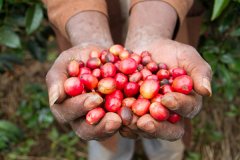
Coffee gives the public the impression that it is black, bitter and excited after drinking sleepless beverages. The coffee beans we see in the coffee shop are brown, roasted beans and amber. Coffee comes from coffee beans, which are harvested and processed from the fruits of coffee trees. Coffee trees grow at the center of the equator, south.

Coffee prices in Vietnam climb to a six-year high
After the harvest was hit by rain, coffee prices in Vietnam reached their highest level in six years due to a lack of high-quality exported coffee beans. In the central highlands of Lintong province, the price of Robusta coffee beans is 46500 dong (US $2.04) per kilogram and 47300 dong (US $2.08) per kilogram in Dole province. This is since September 2011.
Growth Environment and characteristics of Coffee trees Coffee planting
Coffee gives the public the impression that it is black, bitter and excited after drinking sleepless beverages. The coffee beans we see in the coffee shop are brown, roasted beans and amber. Coffee comes from coffee beans, which are harvested and processed from the fruits of coffee trees. Coffee trees grow at the center of the equator, south.
Growing Environment and characteristics of Coffee trees with knowledge of Coffee planting
Coffee gives the public the impression that it is black, bitter and excited after drinking sleepless beverages. The coffee beans we see in the coffee shop are brown, roasted beans and amber. Coffee comes from coffee beans, which are harvested and processed from the fruits of coffee trees. Coffee trees grow at the center of the equator, south.

Flavor description treatment of Costa Rican Tarazhu Coffee with unique strong Flavor
All the coffee trees planted in Costa Rica are Arabica coffee trees. through improvement, the quality of coffee beans is better and more stable. in order to facilitate picking, coffee trees are kept at a height of about 2 meters through continuous pruning. The coffee that people eat is the taste of the seeds in the fruit that are brewed in water. After picking raw coffee beans, the peel, pulp, seed film and sun exposure must be removed.

Introduction to the production area of Costa Rica Yersalo Coffee beans by Grinding scale treatment
Coffee was introduced into Costa Rica from Cuba in 1729. Today, its coffee industry is one of the well-organized industries in the world, with a yield of 1700 kg per hectare. Costa Rica has only 3.5 million people but 400m coffee trees, and coffee exports account for 25 per cent of the country's total exports. The volcanic soil of Costa Rica is very fertile and well drained, especially in the central part.

The growing Environment and characteristics of Coffee trees basic knowledge of coffee
Coffee gives the public the impression that it is black, bitter and excited after drinking sleepless beverages. The coffee beans we see in the coffee shop are brown, roasted beans and amber. Coffee comes from coffee beans, which are harvested and processed from the fruits of coffee trees. Coffee trees grow at the center of the equator, south.

Do you really know coffee? How are coffee trees grown?
Pay close attention to the coffee comment (Weixin Official Accounts vdailycom ) and find a beautiful coffee shop to open one's own shop. 1. The excavation quality of planting ditch affects the soil and water conservation of coffee garden, the implementation of agricultural technical measures, the growth and yield of coffee tree, which should be seriously implemented. Excavation method, gentle slope can be excavated from the slope to the slope, and steep slope should be excavated from the slope to the slope.

Classification and characteristics of Coffee varieties with large Grain
Coffee varieties advantages and disadvantages large-grain coffee classification varieties and characteristics, also known as Liberian species, is an evergreen tree. The plant is tall, more than 10 meters high, the branches are thick and hard, grow obliquely upward, and the branches cork the fastest. The leaf blade is oval or round, the leathery leaf surface is glossy, the leaf end is closed, and the leaf margin is not corrugated. The fruit is large, oblong, the skin and pulp are hard and thick, the navel is large and protruding. Fresh fruit and dried fruit

Katim Coffee Bean Flavor description introduction to the manor of the region where the varieties are produced
Katim Coffee Bean Flavor description Variety production area treatment Manor introduces the field management measures suitable for the management of general small-grain coffee. Propagation method: adopt seed propagation, select 5-year-old fine mother tree, harvest fully mature, fruit shape is normal, full, size is basically the same, with two-seed fruit as seed, using sand bed to promote germination, plastic bag seedling. Selection of suitable forest land

Introduction to the quality characteristics of Costa Rica Yellow Honey Coffee Bean Flavor description treatment
Costa Rican coffee beans were introduced into Costa Rica from Cuba in 1729. Today, its coffee industry is one of the well-organized industries in the world, with an output of 1700 kg per hectare. Costa Rica has only 3.5 million people but 400m coffee trees, and coffee exports account for 25 per cent of the country's total exports. The volcanic soil in Costa Rica is very fertile.

How much is the coffee bean per jin Ethiopia 90+levelu Dre Ella / Hua Yu sun Xidama
Coffee seeds cannot be grown directly with coffee fruits picked from coffee trees. Peeling coffee fruits is like planting peanuts. If you plant a peanut with a shell in the soil, it cannot sprout. You must plant peanuts. It is the same with medium coffee. If you have coffee fruit in your hand, you can first bask it in the sun and shake it until it is shaken inside.
Costa Rican coffee producing area, Costa Rican coffee introduction
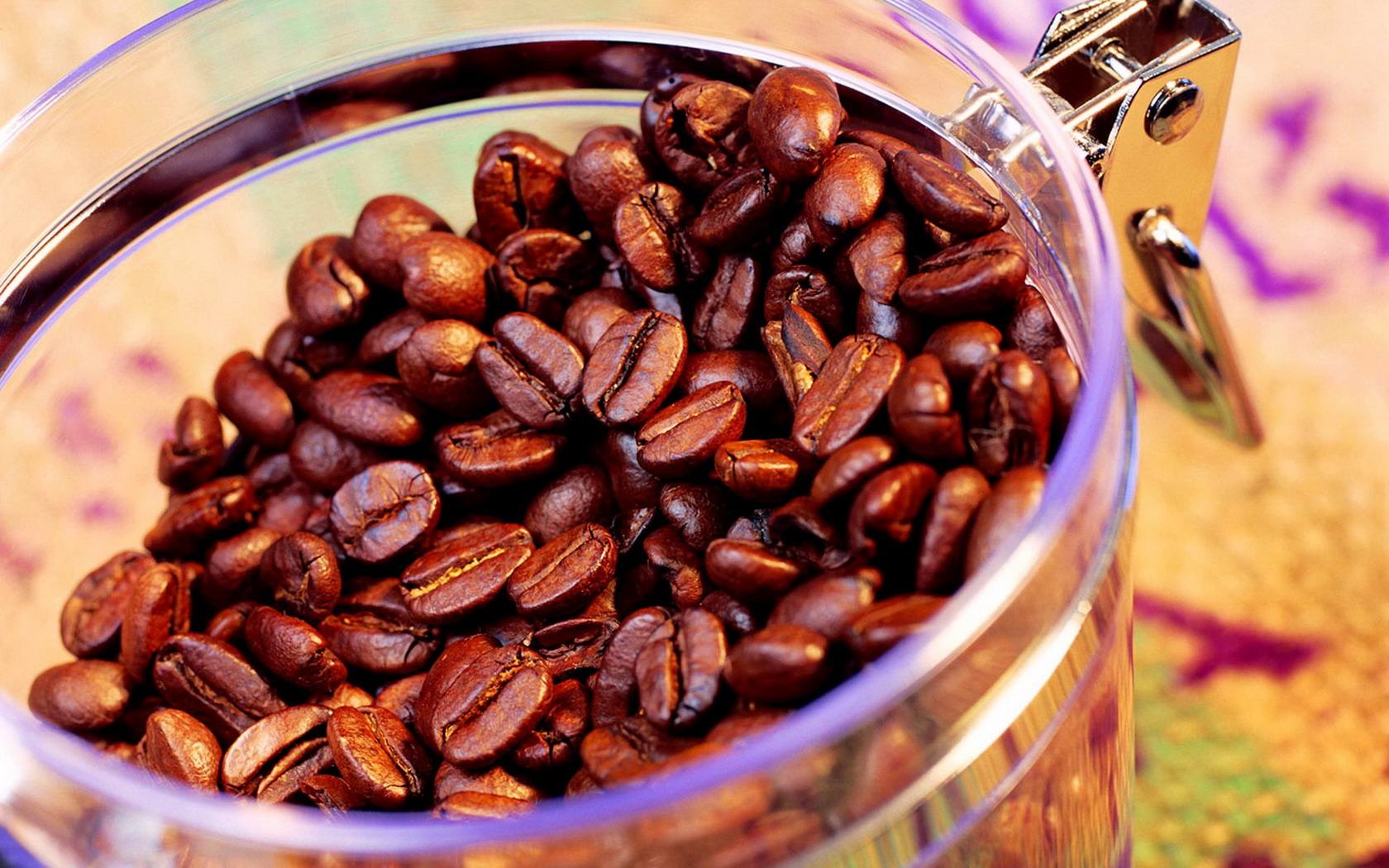
Following Caf é (official Wechat account vdailycom) found that the Cafe Beautiful opened a small shop of its own, coffee was introduced from Cuba to Costa Rica in 1729, and today its coffee industry is one of the well-organized industries in the world, producing 1700 kg per hectare. Costa Rica has a population of only 3.5 million, but there are as many as 400 million coffee trees, and coffee exports account for the majority of the country's coffee exports.